Pests follow the calendar more closely than most people do. Ants push in when spring warms the soil. Mosquitoes breed after the first warm rain. Wasps build aggressively during peak summer. Rodents nose indoors the moment evening temperatures slip. If you wait until you see activity, you are already on the defensive. A year rounds best results come from small, timed actions that block access, remove attractants, and interrupt breeding cycles before they run.
I have walked thousands of properties, from tight urban condos to lakeside homes and truck heavy warehouses. The same truths keep reappearing. Moisture invites trouble. Gaps bigger than a pencil width become rodent doors. Firewood stacks and clutter turn into hotels for insects. Food and grease that seem invisible to you smell like a dinner bell to cockroaches. On the positive side, most properties respond quickly to steady, practical steps. The following seasonal guidance reflects integrated pest management, the same framework professional pest control teams use to keep accounts clean across residential pest control and commercial pest control settings.
Five habits that do most of the work
- Seal, sweep, and screen: close gaps, keep floors and counters clean, and maintain tight window and door screens. Fix moisture at the source: unclog gutters, extend downspouts, repair leaks, and ventilate crawl spaces. Store food and waste correctly: use sealed containers, clean bins weekly, and pull trash to the curb on schedule. Maintain the landscape: trim plants off structures, raise firewood on racks, and keep mulch thin near the foundation. Monitor and document: set stations, log sightings, and photograph problem spots to verify progress or spot patterns.
These five cover 80 percent of prevention. The seasonal details that follow help you play the right card at the right time.
Spring, when hidden colonies wake up
The first warm weeks, usually when daytime highs hold above 55 to 60 degrees, are a pivot point. Ants shift from winter maintenance to expansion. Subterranean termites begin to swarm in many regions, especially after rain. Overwintering insects like cluster flies and brown marmorated stink bugs look for exit points, and some wander into living areas, which makes it appear as if an invasion just started. In reality, they rode out the winter inside wall voids or attic spaces.
Start outside. Walk the foundation slowly, phone in hand, and photograph anything that looks like a gap, crack, or rot. Pay attention to areas where different materials meet, such as where siding meets the foundation or utility lines enter. Caulk or install pest proofing services such as door sweeps and weatherstripping. Replace screen patches with full sections, and make sure the weep holes in brick are protected with breathable inserts, not sealed closed.
Termite control deserves special attention in spring. If you find discarded wings on windowsills, in spider webs near lights, or piling on porches, that is a sign of a nearby colony. Tapping wood that sounds hollow, paint that ripples, or mud tubes on foundations are other telltales. Do not scrape away tubes until you have photographed them. A professional pest control company will want to verify the species and location. Many homeowners combine a termite inspection with broader pest inspection services in spring. It sets a baseline and, if needed, starts termite treatment before costly damage spreads.
Inside, spring cleaning is not just about appearance. Drawers collect food dust. Under appliances, grease turns sticky and attracts German cockroaches. Vacuum along baseboards, pull the fridge, and run a degreaser under the oven. Swap cardboard storage for tight lidded bins in basements and garages. If you have pets, wash bedding on high heat and use pet safe pest control options to manage fleas and mites, rotating products so you do not select for resistance.
Yard work matters. Rake leaves away from the foundation. Keep mulch below two inches near the house and leave a visible strip of bare soil along the wall so you can see ant trails or termite tubes. Raise firewood on racks at least 12 to 18 inches off the ground and 20 feet from structures. That detail alone cuts down on carpenter ants and rodent nesting in many properties.
For properties with water features, clean and treat ponds and birdbaths. Mosquito eggs can hatch within 24 to 48 hours in warm weather. Ask your local pest control team about larviciding options from mosquito control services if your yard has standing water that you cannot drain, such as a drainage swale or rain barrel system.
Early summer, when heat accelerates everything
As temperatures climb, the pest clock speeds up. A housefly can develop from egg to adult in a week. Mosquitoes can complete a cycle in as little as five to seven days. Ant colonies send out more foragers and start satellite nests. Carpenter bees drill as fascia boards warm. Wasps and yellowjackets grow their paper nests quickly, often in the corners you never look at.
Think air, light, and water. Fix screens and seal attic vents with hardware cloth that resists gnawing. Replace broken gable vents that let birds and bats sneak in. Birds bring mites, fleas, and beetles with them, which later become a household headache. Install door closers on commercial doors that tend to be propped open during deliveries. In restaurants, coordinate the pest control inspection with the grease trap clean out and hood service so that deep cleaning and crack and crevice treatment align, which makes insect control services more effective.
Kitchen sanitation gets harder in summer because residue breaks down faster and smells travel farther. Add a weekly drain treatment to break biofilm. Fruit flies often breed in places people do not expect, like the rubber flap inside a garbage disposal or in the squeegee drains around commercial bar floors. Flush them. For cockroach control, target harborages, not just open surfaces. The best pest control results for roaches come from gel baits placed in tight crevices and voids, paired with dusts in wall penetrations. Sprays alone usually scatter activity and slow results.
Outdoors, trim vegetation a hand width off siding and at least a foot off the roofline. Keep ivy off walls. I have taken wasp removal calls where the hidden nest sat behind dense vine cover two inches from a child’s bedroom window. If you see heavy wasp traffic, do not stand under it to search. Watch from a distance in good light and call a professional exterminator for safe removal. The same advice applies to bee removal services. Honey bees are managed differently and often relocated.
Where rodents are a known challenge, for instance around restaurants, grain stores, or older neighborhoods with shared walls, increase exterior rodent control. Use secured, tamper resistant stations and fresh bait where regulations allow, and non toxic monitoring blocks where you need a read without exposure. Rodent removal services often pair mechanical trapping indoors with exclusion outdoors, a combination that reduces bait dependence and is safer for homes with pets.
If you are evaluating pest control services in summer, ask about integrated pest management. A licensed pest control provider should talk about inspection, thresholds, non chemical controls, and targeted treatments. They should also offer pet safe pest control options. Price matters, but cheap pest control that sprays everything, every time, can lead to resistance and unnecessary exposure. Reliable pest control balances prevention with precise treatment.
Late summer into early fall, when populations peak
By August and September in many regions, insect populations sit at their highest levels. Ant colonies are mature. Spiders have taken positions near porch lights. Mosquitoes push into every water source. Yellowjackets scavenge aggressively, which is why outdoor picnics feel like a magnet for them. In this window, you focus on cutting lifelines and preparing for the first cold snap when rodents begin to test your perimeter.
Start with lighting. Swap bright white bulbs near entry doors for warm LED bulbs that are less attractive to night flying insects. Consider motion only lighting for back doors and service entries where possible. Light management reduces spider web building and keeps the moth and beetle load down at doors, which lowers incidental entry.
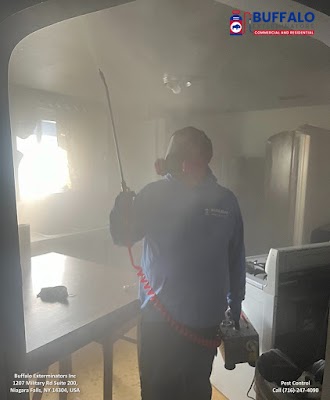
Next, audit storage before the holidays. Move seasonal decor, old books, and archived files into sealed bins. Cardboard gives off a glue scent that cockroaches and silverfish seem to love. If you manage a warehouse, pull pallets away from walls by a minimum of 18 inches to create an inspection aisle. This is basic for industrial pest control because it allows a pest management professional to inspect for mice runways, droppings, and gnawing around the base of stacks.
Refresh exterior perimeter treatments if they are part of your plan. A quarterly pest control service often peaks in effectiveness when late summer barriers are renewed before the first fall rains. Focus treatments on weep edges, voids behind trim, service penetrations, and the base of door frames rather than open broadcast on landscaping. Eco friendly pest control options might include botanical oils or targeted dusts, paired with physical exclusion, which can work well when aligned with good sanitation.
If you maintain a garden, harvest promptly and clean up windfall fruit. Rotting produce draws fruit flies, wasps, and rodents. In lawn pest control, avoid heavy irrigation in the evening that leaves grass wet overnight. Moist turf breeds fungus gnats and can support flea populations if wildlife crosses your yard. Speak with a local pest control expert about timing any outdoor pest control, whether they recommend a monthly pest control service during peak season or a lighter schedule with proactive monitors.

Bed bugs deserve a word here. Late summer and early fall travel means increased movement, and that is when bed bug control calls often spike. Hotels, dorms, and apartments see new introductions as people move around. Inspect luggage seams and the tufts of mattresses when you travel. At home, if you find bites in rows, tiny black spots on sheets, or shed skins along mattress piping, call in bed bug treatment early. Heat treatment, thorough vacuuming, encasements, and targeted chemicals from certified pest control teams can stop a small issue from spreading to neighboring units.
Fall, the pivot to proofing and rodents
The first crisp night is when rodents decide your house looks friendlier. Mice can pass through a gap as small as a dime, rats through a quarter. In practice, any irregularity around garage doors, utility lines, dryer vents, and foundation vents can become a highway. This is the season to slow down and proof.
Walk the exterior at dusk with a flashlight, shining across surfaces rather than straight at them. Side lighting reveals gaps and rub marks. Look at the bottom corners of garage doors for telltale crumbs of weatherstrip. Check door sweeps on service entries and bulkhead doors. If air or light comes through, so can insects and rodents. Install brush sweeps that meet the threshold, and for gnaw prone spots like the corners at a garage, use metal kick plates or rodent proofing mesh to back vulnerable edges.
Inspect the attic and crawl. Many homeowners never enter these spaces, which is where a pest control inspection earns its fee. In attics, look for rodent droppings, tunneling in insulation, or daylight showing at the eaves. In crawls, look for pooling water, disconnected vents, and signs of wildlife. A professional pest control team can add one way doors for nuisance wildlife and then seal behind them, a humane and effective approach that also keeps secondary pests from moving in.
Inside, clean and reset kitchen and pantry storage. This is where ant control services and cockroach extermination succeed or fail. Label bins and store open grains, cereals, and pet food in hard containers. Pull out the stove again, and if you have not already, snap a photo of the back and sides. When I audit kitchens, I look for micro signs, like a single German cockroach egg case tucked in a screw head under a counter brace. Those details tell you whether your process is working.
As leaves come down, keep gutters clean and downspouts extended at least five feet from the foundation. Moisture is a universal risk factor. It softens wood for termites, draws springtails and earwigs, and makes the soil more hospitable to ants. If you have a sump pump, test it and keep the pit clean. Dehumidify basements to 50 percent relative humidity or lower if possible. These small investments often pay for themselves in reduced service calls.
Winter, maintain pressure while pests slow
Cold slows insect metabolism, but does not end pressure. In fact, winter is when you can make outsized gains because breeding cycles pause. It is the best time for exclusion work and deep cleaning, and it is when rodent control is most visible.
Concentrate on the envelope. Replace brittle gaskets on exterior doors, recaulk sills, and install or replace door shoes. If your area uses sand or salt, sweep interiors often so grit does not hold moisture along baseboards. In apartment pest control and hotel pest control, ask housekeeping to note rooms with recurring spider webs or tiny beetles at windows. Those rooms may have minor leaks or gaps that are easy to fix and otherwise go unnoticed for months.
If you struggled with mosquitoes or fleas in summer, consider winter yard corrections. Redesign low spots that held water. Clean under decks, where leaves tend to trap moisture. Add rock borders where grass meets the foundation. Small grading changes can eliminate a third of next summer’s mosquito breeding on some lots. For flea control services, treat pet bedding areas and vacuum floor cracks regularly. Flea eggs can sit in crevices and hatch when vibration or warmth returns.
For rodents, keep the pressure on with mechanical methods. Traps outperform baits in sensitive environments like school pest control and hospital pest control because they provide clear counts and avoid secondary exposure risks. In commercial accounts, rotate attractants every few weeks. Peanut butter, hazelnut spread, and bacon grease each have their moments. Always secure traps out of reach in areas where children or pets could access them. If activity persists, a professional exterminator can map routes with tracking dust and adjust hardware placement for better intercepts.
Winter is also a smart time to evaluate your service schedule. A yearly pest control plan that clusters heavy treatments during pest peaks, combined with lighter maintenance in winter, usually saves money compared to emergency pest control calls. Ask a trusted pest control company about a quarterly pest control service that includes preventive inspections, exclusion, and targeted treatments. The best pest control programs feel almost boring, which is the point. No drama, just steady prevention.
Materials, products, and safety that pros rely on
People often ask what a professional pest control technician carries that they do not. The short answer is not magic chemicals. It is knowledge of placement, rotation, and timing. For ants, different species prefer different bait profiles, some sweet, some protein or fat based. For cockroaches, gels work when applied in many small placements rather than a few big dollops, and they fail if sprayed over. For spiders, removing web anchor points and adjusting lighting beats broadcast spraying.
For eco friendly pest control or organic pest control, essential oil based products have a role, especially for repelling spiders and some ants around entry points. They have shorter residual life, which means more frequent application. Pet safe pest control hinges more on application method than the product label. A crack and crevice injection in a wall void, followed by wiping up residues on exposed surfaces, does far more for safety than choosing a weaker product and spraying openly.
Always read labels. Even green pest control services use regulated products. Misuse can cause more harm than good. If you are uncertain, a pest control consultation with a certified pest control specialist can save you time and reduce risk. The signal of a top rated pest control provider is a willingness to explain why they choose a method, what it targets, and how they will verify results.
When to call a professional instead of DIY
- You see termite swarmers, mud tubes, or wood that sounds hollow when tapped. Rodents appear during the day, or you find new droppings repeatedly after trapping. Bites, blood spots, and cast skins suggest bed bugs in more than one room. Wasps or bees are nesting in structural voids, soffits, or other hard to reach spots. Cockroach activity spreads into multiple rooms despite cleaning and baiting.
A reliable pest control partner will start with an inspection, not a spray. Look for licensed pest control technicians with clear reporting and photos. In many areas, you can search for pest control near me to find local pest control providers, then compare reviews and ask about response times, same day pest control when needed, and ongoing pest management services tailored to your property.
The seasonal checklist, in practice
Here is how the flow looks over a typical year for a single family home, with notes that adapt well to office pest control or restaurant pest control.
In March or April, after the last hard freeze, you walk the exterior, seal gaps, refresh screens, and set monitors for ants at edges where patios meet soil. Inside, you deep clean kitchen areas, check for moisture, and replace any torn pantry liners. If you live in termite country, you schedule pest inspection services. That visit often includes a review of grading, mulch, and wood to ground contacts, and it sets a course for termite control if needed.
In May through July, you maintain sanitation and drain care while keeping landscape clear of the house. You watch eaves for wasp nest starts and remove early structures with a long pole in the cool morning when activity is low, or you schedule wasp extermination if nests are established or high. You treat or drain standing water weekly and consider mosquito extermination from a reputable provider if your yard borders a creek or marsh. Indoors, you place small dabs of ant bait along foraging trails that appear after rain, rotating formulas to match species preference. If you run a commercial kitchen, you schedule coordinated cleaning and targeted insect extermination before the summer rush.
In August and September, you cut attractants. Warm lighting at entries reduces night insect loads. You pull stored goods forward and clean behind pallets. You keep grass trimmed and edges clean. You reduce irrigation that stays wet overnight. You refresh exterior barriers as part of a quarterly plan, especially for spider control services and ant extermination. If travel or move ins raise concern, you inspect beds, sofas, and luggage storage with a bright flashlight and a crevice tool. You call for bed bug extermination early if evidence appears.
In October and November, you shift to proofing and rodent control. You install door sweeps, fix garage door seals, and screen vents. You set snap traps inside along walls where rub marks or droppings appear, always out of reach of children and pets. You keep bait or monitoring blocks in exterior stations if regulations allow and if a professional deems it necessary. You clean gutters and extend downspouts. You dehumidify basements and repair any small leaks under sinks. In multi unit housing, you coordinate with neighbors to avoid leapfrogging problems across units, a common headache when one apartment treats in isolation.
In December through February, you tidy and maintain. You repair weather stripping, replace failing caulk, and keep storage clean and off the floor. You continue trapping until activity stops for several weeks. You review service reports if you work with pest management services, watching for patterns that suggest structural fixes. A meeting with your pest control experts in winter sets smarter goals for spring and reduces surprise calls later.
A note on costs and service plans
Preventive steps cut the long tail of emergency calls. A yearly pest control plan that includes inspections, light exterior treatments, and seasonal exclusion usually costs less than a string of urgent visits for stinging insect nests, rodent surprises, and kitchen flare ups. For many homes, a quarterly schedule with heavier work in spring and late summer, plus a winter exclusion visit, keeps issues quiet. Commercial accounts often run monthly in summer to match food volume and door traffic.
When comparing providers, ask about clear scopes. Pest removal services should state what is covered, how many follow ups are included, and what the response time is for spikes. For restaurants and warehouses, expect logbooks with maps of devices, counts, and corrective actions. Those details are not fluff, they are the difference between guessing and managing.

If budget pushes you toward affordable pest control options, prioritize inspection and exclusion first, then targeted treatment. Fast pest control service means less when it repeats because the root cause remains. Trusted pest control services will help you invest in the fixes that matter most, like repairing a leaking exterior spigot or replacing a damaged door sweep, before selling broad sprays.
Edge cases and regional twists
Every region has quirks. In the Southeast, moisture and heat push termite pressure nearly year round, and subterranean species dominate. In the Southwest, scorpions and roof rats change the proofing plan, which focuses on roofline gaps and block walls. In the Northeast, mice and cluster flies define the shoulder seasons. In coastal zones, humidity and occasional flooding rewrite drainage and dehumidification plans.
The property type matters too. Garden pest control around raised beds calls for spacing and plant cleanliness that differs from lawn pest control, since you cannot rely on the same chemistries. Apartment pest control programs must emphasize communication across units and management, or bed bugs and German cockroaches simply rebound. Office pest control often hinges on break room sanitation and plant care, two small things that drive big parts of the service call log. Hospital pest control and school pest control require safe pest control services with strict documentation and non chemical steps, with chemical interventions chosen carefully and placed discreetly.
Bringing it all together
Preventive pest control is not a sprint in spring or a single summer spray. It is a steady practice that respects how pests move through the seasons. Clean, dry, sealed, and monitored spaces resist infestation. When you need help, look for professional pest control that starts with inspection, explains choices, and aligns service timing with seasonal biology. Whether you manage home pest control for a small bungalow or pest control complete pest control solutions for a multi site business, the same rhythm holds. Start early, focus on exclusion and sanitation, treat precisely, and keep records. Year after year, those habits compound into a quieter, healthier property.